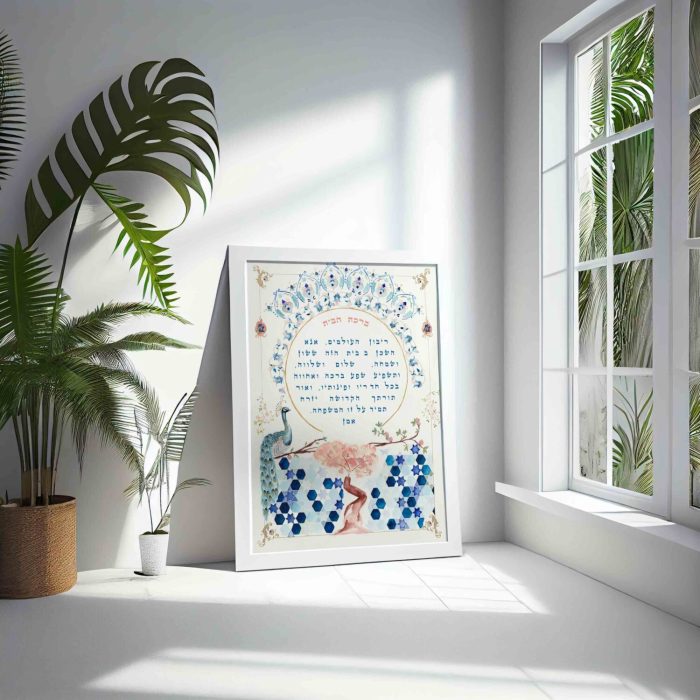
A Birkat Habayit is one of the most recognizable pieces of Jewish home decor. Whether displayed near the entrance, in a dining room, or above a living room console, it adds warmth, identity, and meaning to a space.
While many people feel emotionally connected to the text, a Birkat Habayit is ultimately symbolic and decorative. It does not have any mystical “power”, it is a beautiful artistic way to express the atmosphere and values you want your home to reflect: peace, joy, family, hospitality, and harmony.
Today, Birkat Habayit wall art exists in many different styles, from traditional Judaica designs to modern watercolor paintings and minimalist Hebrew typography. Choosing the right one depends not only on the text itself, but also on your interior style, wall size, and the atmosphere you want to create in your home.
What Is a Birkat Habayit?

“Birkat Habayit” literally means “Blessing of the Home” in Hebrew.
The text is often displayed as wall art in Jewish homes and traditionally includes wishes for happiness, peace, love, health, friendship, and prosperity within the household.
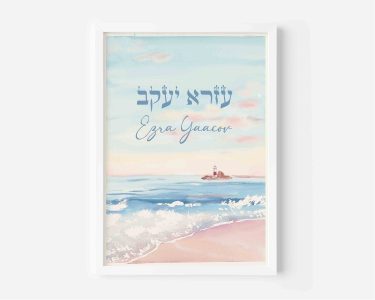
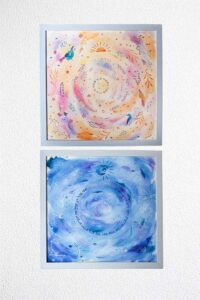
For many families, it becomes part of the visual identity of the home. Some people choose a modern watercolor design, others prefer floral Judaica art, gold details, or more traditional Hebrew calligraphy.
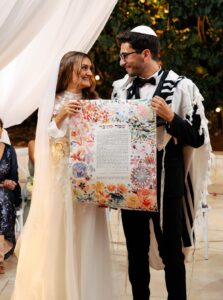
Because of its symbolic nature, it is also a popular gift for:
- weddings
- housewarming gifts
- new apartments
- aliyah gifts
- family celebrations
Choosing a Birkat Habayit Style That Fits Your Home
One of the biggest mistakes when choosing wall art is focusing only on the artwork itself without thinking about the overall atmosphere of the room.
A Birkat Habayit should feel naturally integrated into the space around it.
For a Calm and Minimalist Interior
If your home has neutral tones, soft textures, light wood, linen, or modern minimalist furniture, a delicate watercolor Birkat Habayit can work beautifully.

Minimalist Hebrew typography also works well in contemporary interiors.
For a Colorful or Artistic Home
If your space already includes strong colors, books, textiles, or eclectic decor, you can choose a more expressive Birkat Habayit with richer watercolor textures, florals, or layered color compositions.
In these interiors, the artwork can become a focal point rather than simply blending into the background.

For an Oriental or Traditional Style
Homes with Middle Eastern, Moroccan, or traditional Jewish influences often pair beautifully with:
- warm gold accents
- deep blues
- earthy terracotta tones
- ornamental Hebrew calligraphy
- floral or geometric details
A textured or hand-painted piece can add depth and authenticity to this type of interior.

How to Choose the Right Size for Your Wall
The size of the artwork is just as important as the design itself.
A common mistake is choosing artwork that is too small for the wall. Even a beautiful piece can feel visually “lost” if the proportions are wrong.
General Wall Art Rule
Interior designers often recommend that artwork should occupy around 60% to 75% of the width of the furniture or wall section beneath it.
For example:
- above a console table
- above a sofa
- above a dining buffet
If the wall is very large, a small A4 print may disappear visually. In that case, a larger framed piece or a gallery wall composition usually works better.
You can also find additional wall art sizing recommendations in this Framebridge guide to wall art sizing.
Small Formats

Smaller Birkat Habayit prints work well:
- near an entrance
- in narrow hallways
- as part of a gallery wall
- in smaller apartments
They create a subtle decorative touch without dominating the room.
Large Statement Pieces
A large Birkat Habayit can completely transform a space and become the central visual element of a room.
This works especially well:
- above a dining table
- in a living room
- in open spaces with high ceilings
- in homes with minimal decoration where the artwork becomes the focus
What Frame Should You Choose for a Birkat Habayit?
This mostly depends on the style of your interior.
Natural wood frames tend to create a softer and warmer feeling, while black or metallic frames often feel more modern and graphic.
Handmade vs Fine Art Prints
I offer Birkat Habayit designs as high-quality fine art prints, which makes original artwork more accessible for different budgets and spaces.
Printed versions can preserve watercolor textures and delicate details very beautifully when professionally reproduced on fine art paper.
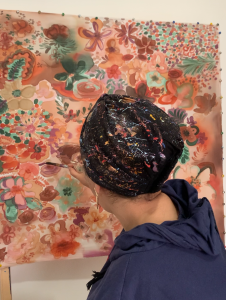
At the same time, some collectors and families prefer a completely hand-painted piece created specifically for their home.
In my own work, I offer both:
- fine art prints of original watercolor paintings
- handmade custom Birkat Habayit commissions
Custom hand-painted pieces allow more flexibility with:
- colors
- dimensions
- floral themes
- Hebrew typography
- gold or silver details
- overall atmosphere of the artwork
This makes it possible to create a piece that truly fits the home it was made for.
Where to Place a Birkat Habayit
There is no strict rule about placement.
Some families place it near the entrance as a welcoming element, while others prefer it in the heart of the home:
- living room
- dining room
- hallway
- family space
The most important thing is choosing a location where the artwork naturally participates in the atmosphere of the room rather than feeling added “just to fill a wall.”
Choosing Meaningful Jewish Home Decor
A Birkat Habayit is not simply a decorative object, but it is also not meant to be treated as a mystical item.
Its value comes from what it represents emotionally and aesthetically within a home.
Whether you choose a minimalist Hebrew print, a floral watercolor composition, or a fully hand-painted custom artwork, the right Birkat Habayit can bring personality, warmth, and intention into a space in a very personal way.